 By Grant Mya
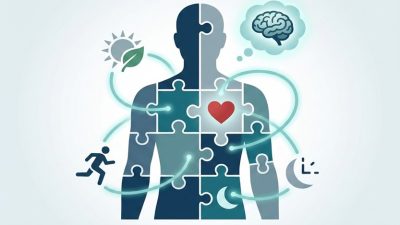
When individuals receive a medical diagnosis or undergo complex medical procedures, the primary focus naturally turns toward pharmaceutical regimens, surgical interventions, and specialized clinical protocols. However, a critical physiological and psychological component often dictates the pace and success of physical recovery: how well a patient manages stress. The human mind and body operate within a deeply integrated biological system, where psychological distress directly alters physical healing capacity.
Chronic or acute stress triggers continuous physiological changes that can compromise immune function, exacerbate systemic inflammation, disrupt metabolic balance, and impair compliance with prescribed medical protocols. Integrating structured stress management techniques into standard patient care plans bridges the gap between clinical interventions and holistic recovery, significantly improving overall treatment outcomes across various medical conditions.
The Biological Connection Between Stress and Physical Healing
To understand why stress management plays a vital role in medical success, one must examine the physiological pathways activated during psychological distress. When the brain perceives a threat, whether physical or emotional, it activates the sympathetic nervous system and the hypothalamic-pituitary-adrenal axis. This biological reaction releases a flood of stress hormones, primarily cortisol and adrenaline, designed to prepare the body for immediate survival.
While this adaptive mechanism is effective for short-term physical threats, prolonged activation caused by chronic illness, medical anxiety, or financial strain creates widespread bodily damage:
-
Immune System Suppression: Sustained high levels of cortisol suppress lymphocyte proliferation and reduce the activity of natural killer cells, weakening the body’s natural defenses against secondary infections and cellular abnormalities.
-
Systemic Inflammation Elevation: Paradoxically, prolonged stress impairs the body’s ability to regulate the inflammatory response properly. This leads to elevated circulating pro-inflammatory cytokines, which worsen tissue damage and slow physical healing.
-
Cardiovascular Strain: Adrenaline elevates heart rate and constricts blood vessels, raising blood pressure and placing additional workload on the heart, which is particularly hazardous for cardiac patients recovering from surgery or heart failure.
-
Metabolic and Digestive Disruption: Stress alters blood glucose regulation, delays gastric emptying, and impairs nutrient absorption, depriving tissues of the essential building blocks necessary for cellular repair and surgical wound closure.
How Managing Stress Enhances Specific Medical Treatments
Stress reduction is not merely a comfort measure; it directly influences measurable clinical outcomes across diverse medical fields, including oncology, cardiology, surgery, and chronic pain management.
Surgical Recovery and Wound Healing
Surgical procedures represent intentional physical trauma designed to repair bodily structures. However, patients experiencing high pre-operative stress levels routinely demonstrate delayed wound healing, higher post-operative pain scores, and longer hospital stays. Stress-induced vasoconstriction restricts oxygen and nutrient delivery to incision sites, while elevated cortisol slows collagen synthesis and tissue remodeling.
When patients engage in pre-operative stress reduction protocols, such as guided imagery, diaphragmatic breathing, or mindfulness meditation, clinical studies show marked improvements. Patients experience reduced requirement for opioid analgesics, lower rates of post-surgical infection, and faster surgical site closure.
Oncology Care and Cancer Therapies
Navigating cancer treatment involves profound emotional and physical challenges. Chemotherapy, radiation therapy, and immunotherapy demand immense physical resilience. High stress levels impair immune surveillance, exacerbate debilitating fatigue, and intensify chemotherapy-induced nausea.
Integrating psychological support and stress-mitigation techniques into oncology care helps stabilize autonomic nervous system activity. Lowering systemic stress hormone levels enables cancer patients to tolerate aggressive treatment cycles better, maintain nutritional intake, and experience improved quality of life throughout their recovery journey.
Management of Chronic Inflammatory and Autoimmune Diseases
Conditions like rheumatoid arthritis, inflammatory bowel disease, psoriasis, and multiple sclerosis are characterized by unpredictable inflammatory flare-ups. Elevated stress acts as a major environmental trigger for these autoimmune responses, activating inflammatory pathways that destroy healthy tissue.
By incorporating stress management practices, such as cognitive behavioral therapy, progressive muscle relaxation, and regular biofeedback, patients can lower circulating inflammatory markers. This biological stabilization leads to fewer clinical flare-ups, reduced medication dosage requirements, and slower disease progression over time.
Behavioral and Cognitive Pathways to Better Compliance
Beyond direct physiological impacts, stress profoundly shapes human behavior and decision-making. High stress levels cloud executive brain function, impairing memory, focus, and emotional regulation. In a medical context, overwhelming distress frequently leads to treatment non-adherence, jeopardizing recovery efforts.
Improving Medical Adherence
Complex medical treatment plans often require precise timing for multi-drug regimens, strict dietary modifications, physical therapy exercises, and frequent follow-up appointments. Stressed patients are significantly more likely to forget medication doses, skip physical therapy sessions, or abandon essential lifestyle adjustments due to cognitive overload and emotional burnout.
Reducing psychological distress restores cognitive bandwidth and self-efficacy. Patients who feel emotionally supported and possess effective stress-coping strategies display higher adherence to treatment schedules, leading to predictable clinical results and fewer emergency hospital readmissions.
Enhancing Pain Perception and Tolerance
Pain is a complex neurological phenomenon processed through both physical sensory pathways and emotional centers in the brain. Anxiety, fear, and emotional stress amplify pain signals in the central nervous system, lowering pain thresholds and making physical discomfort feel far more intense.
Stress management therapies help decouple the physical sensation of pain from emotional distress. By teaching patients how to regulate their nervous system through breathing techniques and cognitive reframing, the brain’s perception of pain severity decreases, reducing reliance on habit-forming pain medications.
Evidence-Based Stress Management Strategies in Clinical Settings
Implementing stress management into routine clinical care requires structured, accessible interventions that patients can practice independently or under guidance.
-
Mindfulness-Based Stress Reduction: A structured protocol combining mindfulness meditation, gentle yoga, and body awareness that helps patients break ruminative thought cycles and lower sympathetic nervous system arousal.
-
Cognitive Behavioral Therapy: Helps patients identify distorted, anxiety-inducing thoughts regarding their health, replacing them with objective, constructive coping mechanisms.
-
Biofeedback Training: Uses electronic sensors to monitor physiological functions, such as heart rate variability, muscle tension, and skin temperature, teaching patients how to consciously control their involuntary stress responses.
-
Structured Breathing Exercises: Simple techniques like diaphragmatic breathing and box breathing trigger immediate vagus nerve stimulation, lowering heart rate and blood pressure within minutes.
FAQ
How does stress directly slow down the healing of physical wounds?
Stress triggers the release of elevated cortisol levels, which inhibit the production of pro-inflammatory cytokines necessary for the initial phase of wound healing. Furthermore, stress constricts blood vessels, reducing blood flow, oxygenation, and essential nutrient delivery to the damaged tissue, which delays cellular repair and collagen formation.
Can stress management replace traditional medical treatments for chronic conditions?
No, stress management is a complementary approach designed to support, not replace, standard medical treatments. While reducing stress improves immune function, lowers inflammation, and enhances physical healing, it works best when combined with evidence-based medical interventions, such as prescribed medications, surgeries, and physical therapy.
How quickly can practicing stress reduction techniques improve physical health metrics?
Immediate physiological changes, such as reduced heart rate, lowered blood pressure, and decreased muscle tension, can occur within minutes of practicing deep breathing or biofeedback. However, long-term biological improvements, including reduced systemic inflammatory markers, enhanced immune function, and improved wound healing, typically require several weeks of consistent practice.
What role does sleep play in stress management and medical recovery?
Sleep is the body’s primary biological window for cellular repair, tissue growth, and immune restoration. Chronic stress disrupts sleep quality and architecture, preventing the release of essential growth hormones needed for physical recovery. Managing stress improves sleep quality, directly accelerating the physical healing process.
Why do stressed patients experience higher pain levels during medical treatments?
Stress heightens the activity of the sympathetic nervous system and activates brain regions responsible for emotional processing, which amplifies pain signals sent through the spinal cord. This emotional amplification lowers the physiological pain threshold, making existing medical discomfort feel significantly more intense.
How can healthcare providers integrate stress management into busy patient care routines?
Healthcare providers can incorporate brief stress management tools by introducing five-minute pre-procedure breathing exercises, providing educational resources on mindfulness, connecting patients with hospital counselors or health coaches, and utilizing digital health applications designed for guided relaxation and stress tracking.
Does emotional support from family and friends impact medical treatment success?
Yes, strong social and emotional support acts as a powerful psychological buffer against stress. Patients with robust support networks exhibit lower circulating stress hormone levels, better emotional resilience, improved treatment adherence, and statistically better overall clinical recovery outcomes compared to isolated individuals.