 By Grant Mya
Life after service brings new challenges, and the support you need will shift over time. In Australia, a range of services exists to help veterans and their families at every point, from the moment you transition out of uniform through to later years. Understanding what is available means you can access the right help when you need it most.
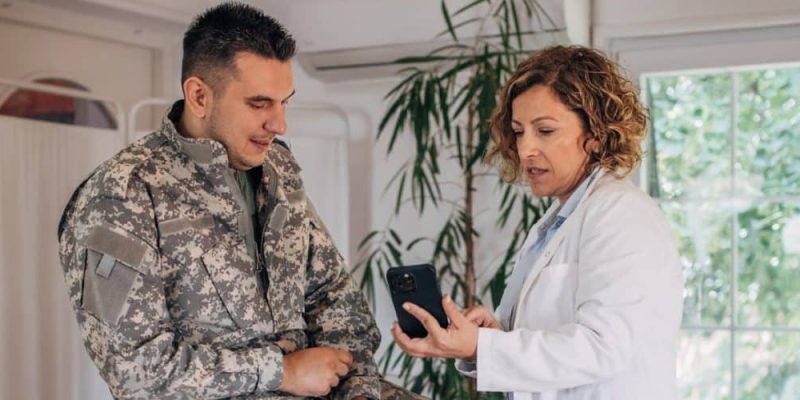
Veteran medical support sits at the centre of this care. After leaving the Australian Defence Force, you may carry physical injuries, ongoing health conditions, or the after-effects of demanding roles. Eligible veterans can access treatment cards that cover a wide range of healthcare, including GP visits, specialist appointments, hospital care, and rehabilitation. These cards help reduce out-of-pocket costs and connect you with practitioners who understand service-related conditions.
Veteran medical care also extends to allied health. Physiotherapy, occupational therapy, podiatry, and dietetics are available to help you manage long-term conditions and stay active. If you live in a regional or remote area, telehealth options can bring these services closer, so distance does not stand in the way of good care. Speaking with your GP is often the first step toward setting up a care plan that suits your situation.
Mental Health Support
The mental health of veterans deserves dedicated attention. Many people carry experiences that affect their wellbeing long after service ends. Free and confidential counselling is available to current and former ADF members, along with their partners and children. These services cover issues such as post-traumatic stress, anxiety, depression, relationship strain, and difficulty adjusting to civilian life.
You do not need an accepted claim or a diagnosis to ask for help. Counselling can be delivered face to face, over the phone, or online, giving you flexibility to choose what feels comfortable. Group programs also exist, allowing you to connect with others who share similar experiences. Reaching out early can make a real difference, so it helps to know support is there whenever you decide to use it.
Community and Practical Support
Connection matters. Many veterans find strength through ex-service organisations and local community groups across Australia. These networks offer companionship, advocacy, and practical assistance with things like claims, housing, and employment. Volunteering, social activities, and sport programs can rebuild a sense of purpose and belonging after service.
Financial and welfare support is available too. This includes income support payments, help with household tasks for those who need it, and assistance for partners and carers. Family members can also access counselling and education support, recognising that service affects the whole household.
Finding the Right Help
Knowing where to start can feel overwhelming. Speaking with a veterans’ advocate or contacting a support line can point you toward the services that match your needs. Each stage of life may call for different help, and your needs are likely to change over time.
Ongoing care is about meeting you where you are. With the right support behind you, you can manage your health, protect your wellbeing, and stay connected to your community for years to come.