 By Grant Mya
Modern professionals navigate packed calendars filled with back-to-back meetings, strict project deadlines, family commitments, and long commutes. Under these time-constrained conditions, traditional fitness splits that isolate single muscle groups on specific days often fail. Committing to a five-day corporate gym split becomes unsustainable when unexpected work demands arise, leading to missed sessions and stalled physical progress.
Full-body training offers an efficient, high-yield solution for individuals balancing demanding careers with health goals. By engaging multiple major muscle groups simultaneously through compound movement patterns, professionals can build functional strength, burn calories, and improve cardiovascular conditioning in short, focused sessions. Mastering a curated selection of full-body exercises allows busy individuals to maximize physical return on invested time.
The Physics and Physiology of Compound Movements
Compound exercises are multi-joint physical movements that recruit several muscle groups across distinct anatomical planes. Unlike isolation movements, such as bicep curls or leg extensions, compound patterns force the nervous system, core musculature, and metabolic systems to work as a unified unit.
Maximal Efficiency and Caloric Expenditure
Recruiting large muscle masses simultaneously requires significant energy. Exercises like deadlifts, squats, and thrusters demand high oxygen uptake and rapid ATP production. This elevated metabolic demand continues long after the workout concludes through Excess Post-Exercise Oxygen Consumption, helping maintain healthy body composition despite sedentary desk jobs.
Systemic Strength and Postural Integrity
Sitting in office chairs for prolonged periods causes common postural issues: tight hip flexors, weakened gluteal muscles, rounded shoulders, and forward head posture. Full-body compound movements strengthen the entire posterior chain, reinforce spinal stability, and open tight hips, counteracting the physical toll of prolonged desk work.
Key Full-Body Compound Exercises for High-Yield Workouts
Integrating these multi-joint exercises into a weekly routine creates a complete physical conditioning foundation. These movements require minimal equipment and adapt easily to commercial gyms, hotel fitness centers, or home setups.
The Kettlebell Swing
The kettlebell swing is an explosive hip-hinge movement that strengthens the hamstrings, glutes, lower back, core, and shoulders while delivering intense cardiovascular conditioning.
-
Execution Focus: Stand with feet shoulder-width apart, hinge at the hips while maintaining a flat back, and hike the kettlebell between the legs. Explosively drive the hips forward, snapping the glutes to propel the bell upward to chest height.
-
Professional Benefit: Strengthens the glutes and hamstrings deactivate prolonged sitting while conditioning the cardiovascular system without adding joint impact on knees or ankles.
The Dumbbell Thruster
Combining a deep front squat with an overhead shoulder press, the dumbbell thruster engages virtually every muscle from the calves to the shoulders in a single fluid motion.
-
Execution Focus: Hold two dumbbells at shoulder height, rack position, and lower into a deep front squat with chest upright. As you drive upward out of the squat, use the upward leg momentum to press the dumbbells smoothly overhead until arms lock out completely.
-
Professional Benefit: Trains lower body force production and upper body pressing power simultaneously, spiking heart rate rapidly in minimal time.
The Trap-Bar Deadlift
The trap-bar or hex-bar deadlift distributes weight inline with the center of gravity, making it safer and easier to master than traditional barbell deadlifts while recruiting the quadriceps, hamstrings, glutes, lats, and core.
-
Execution Focus: Stand inside the hex-bar, lower the hips with a flat spine, grip the handles firmly, and drive through the mid-foot to stand up straight, squeezing the glutes at full lock-out.
-
Professional Benefit: Builds structural strength along the spine and hips, protecting busy professionals against chronic lower back pain caused by prolonged sitting.
The Renegade Row with Push-Up
This complex exercise combines upper body pressing, back pulling, and intense core anti-rotation stability into a single continuous movement pattern.
-
Execution Focus: Assume a high plank position holding two hex dumbbells. Complete a full push-up, then row one dumbbell to your ribcage while resisting hip rotation, lower the weight, and repeat the row on the opposite side.
-
Professional Benefit: Strengthens chest, upper back, and deep abdominal walls while addressing muscular imbalances between left and right sides.
The Reverse Lunge with Overhead Press
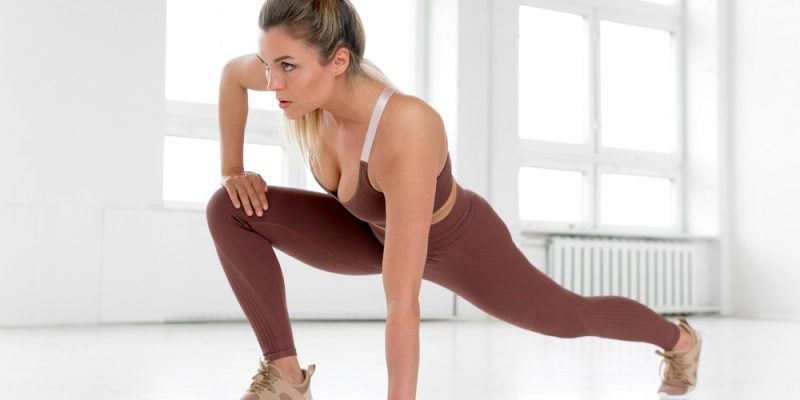
A unilateral movement that challenges balance, single-leg stability, hip flexibility, and shoulder mobility in one synchronized sequence.
-
Execution Focus: Step backward into a lunge until both knees form ninety-degree angles. As you drive through the front heel to return to standing, press a dumbbell or kettlebell held on the opposite side overhead.
-
Professional Benefit: Corrects single-leg strength asymmetries developed from sitting unevenly or crossing legs at office desks.
Time-Efficient Workout Structures for Busy Schedules
Having the right exercises is only half the equation; structuring them into time-capped frameworks guarantees consistent execution regardless of workload demands.
The Twenty-Minute AMRAP Structure
AMRAP (As Many Rounds As Possible) workouts set a fixed timer and challenge individuals to complete a designated circuit of movements with minimal rest while maintaining pristine form.
-
Sample Setup: Set a timer for twenty minutes. Perform eight trap-bar deadlifts, ten dumbbell thrusters, twelve kettlebell swings, and eight renegade rows. Rest as needed, counting total completed rounds.
The EMOM Protocol
EMOM (Every Minute On the Minute) workouts require completing a specified number of repetitions at the start of every minute, using the remaining seconds for recovery before the next minute begins.
-
Sample Setup: Set a fifteen-minute timer. Minute one: fifteen kettlebell swings. Minute two: ten dumbbell thrusters. Minute three: ten renegade rows. Repeat the three-minute cycle five times for a complete, structured session.
FAQ
How many days a week should a busy professional perform full-body workouts?
Performing full-body workouts three days per week on non-consecutive days, such as Monday, Wednesday, and Friday, is optimal. This schedule provides three high-quality training stimulus sessions while leaving four recovery days, fitting seamlessly into busy corporate work weeks.
Can full-body workouts build noticeable muscle mass compared to body-part splits?
Yes, full-body workouts effectively build muscle mass because they allow major muscle groups to be stimulated three times per week rather than once. Provided progressive overload is applied through weight or repetition increases, the higher weekly frequency drives consistent muscular development.
How can I fit full-body workouts into frequent travel or business trips?
Utilize bodyweight and hotel-friendly variations that require minimal space. Exercises like push-ups, bodyweight lunges, single-leg Romanian deadlifts, burpees, and plank variations require zero equipment and can be completed in a hotel room in under twenty minutes.
What should I eat before an early morning full-body workout if I have limited time?
If training within thirty minutes of waking, consume easily digestible carbohydrates like a small banana, a rice cake with honey, or a quick liquid protein shake. If fasting feels comfortable, you can complete short sessions unfed, provided you consume a balanced protein and carbohydrate meal immediately afterward.
How do full-body exercises help reduce desk-job fatigue?
Full-body compound movements stimulate nervous system circulation, open tight hip flexors, activate dormant gluteal muscles, and release endorphins. This increased oxygenation and movement counteract the lethargy and postural stiffness associated with long hours at an office desk.
Is cardio necessary if I am already doing high-intensity full-body workouts?
Full-body circuits, like AMRAPs and EMOMs, raise heart rates significantly, delivering excellent cardiovascular benefits within strength training. However, adding ten to fifteen minutes of low-intensity walking or light cycling on non-lifting days supports active recovery and overall aerobic baseline health.
How do I prevent injury when performing heavy full-body exercises after a stressful work day?
Prioritize a thorough five-minute dynamic warm-up to elevate core body temperature and prime joint mobility. Never sacrifice form to lift heavier weights, and if mental or physical fatigue from work is severe, reduce the resistance load by twenty percent and focus on movement control and tempo.