By Grant Mya
Introduction: Movement as Medicine
In an age where wellness trends come and go with the seasons, one practice remains universally respected and scientifically validated: exercise. Not merely a tool for sculpting physiques or shedding pounds, exercise is a profound agent of transformation—physically, mentally, and emotionally. It is the body’s most natural prescription, available to all and potent in its simplicity. Whether a brisk morning walk or a grueling weightlifting session, exercise has the unique ability to enrich life in ways both immediate and enduring.
The Science Behind the Sweat
At its core, exercise is a biological catalyst. It enhances cardiovascular efficiency, increases muscle mass, strengthens bones, and improves metabolic function. When we move our bodies with purpose, a cascade of physiological processes occurs. Heart rate accelerates, breathing deepens, blood vessels expand, and endorphins—the body’s natural mood elevators—are released. Over time, these benefits accumulate, fortifying the body against disease and decay.
Key scientific benefits include:
-
Improved Cardiovascular Health: Regular aerobic activity strengthens the heart, reduces blood pressure, and improves circulation
-
Enhanced Muscular and Skeletal Strength: Resistance training preserves muscle mass and bone density, especially with age
-
Boosted Metabolism: Exercise increases the efficiency of glucose metabolism and helps regulate insulin levels
-
Neuroprotective Effects: Physical activity stimulates the production of brain-derived neurotrophic factor (BDNF), supporting cognitive function and memory
These aren’t marginal improvements—they’re life-altering changes, available without a prescription.
Mental Clarity and Emotional Balance
Equally compelling is exercise’s effect on the mind. Modern life is often defined by stress, screen fatigue, and emotional fragmentation. In this climate, the simple act of moving with intention becomes a form of mental hygiene. Exercise provides clarity, focus, and emotional equilibrium.
Consider the following psychological benefits:
-
Reduced Anxiety and Depression: Physical activity encourages the release of neurotransmitters like dopamine and serotonin, naturally alleviating mood disorders
-
Improved Sleep Quality: Exercise helps regulate circadian rhythms and promotes deeper, more restorative sleep
-
Increased Self-Esteem: Reaching physical goals fosters a sense of accomplishment and body confidence
-
Enhanced Cognitive Performance: Regular movement has been linked to improved concentration, faster learning, and sharper memory
The mental renewal following a good workout isn’t anecdotal—it’s rooted in neuroscience and supported by decades of research.
Types of Exercise: Finding the Right Fit
There is no one-size-fits-all when it comes to exercise. Each individual has unique needs, preferences, and physical limitations. The beauty of exercise lies in its versatility. From solitary endeavors to social sports, from meditative movement to high-octane intensity, the spectrum is broad and inclusive.
Here are several common categories:
-
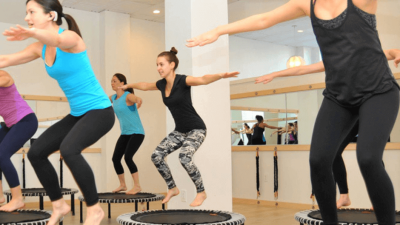
Aerobic (Cardio): Activities like running, cycling, swimming, and dancing that elevate heart rate and endurance
-
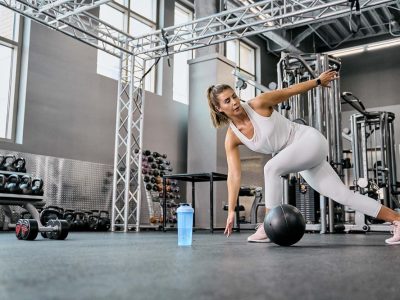
Strength Training: Resistance-based exercises using weights, machines, or bodyweight to build and tone muscles
-
Flexibility and Balance: Practices such as yoga, Pilates, or tai chi that improve posture, coordination, and joint health
-
Functional Fitness: Movements that mimic everyday activities, enhancing mobility and reducing injury risk
-
Recreational and Team Sports: Group-based activities that combine fitness with fun and social interaction
Choosing an enjoyable form of exercise increases adherence and makes physical activity feel less like a chore and more like a ritual of self-care.
Consistency Over Intensity
In our results-driven culture, it’s easy to believe that fitness requires grueling sessions and all-or-nothing dedication. But the secret to long-term benefit lies in consistency, not intensity. Ten minutes of daily movement is more valuable than a single, sporadic hour of intense effort. The body thrives on rhythm and repetition. Gradual progress, not perfection, is the true hallmark of sustainable health.
Simple habits that make a difference:
-
Take the stairs instead of the elevator
-
Go for a walk during lunch breaks
-
Stretch for five minutes each morning
-
Schedule short movement breaks during desk work
-
Choose active hobbies like gardening, dancing, or hiking
These micro-choices, repeated over weeks and months, yield remarkable returns.
The Social and Cultural Dimensions of Exercise
Exercise also holds social value. Group workouts, fitness classes, running clubs, and sports teams create shared purpose and accountability. For many, physical activity becomes a cornerstone of social life—a space for community, laughter, encouragement, and growth. In cultures worldwide, movement has long been intertwined with ritual, music, and tradition. From tribal dances to martial arts, physical expression is a thread that unites generations and strengthens identity.
Aging Gracefully Through Movement
As we age, the body naturally undergoes changes—muscle atrophy, decreased flexibility, reduced bone mass. Yet these processes are not fixed destinies. Exercise slows biological aging, increases independence, and reduces the risk of falls and chronic illness in older adults. Even moderate activity can dramatically improve mobility and mental alertness in later life.
Benefits of exercise for older adults:
-
Preserves balance and coordination, reducing fall risk
-
Maintains cardiovascular health and joint function
-
Improves mood and cognitive sharpness
-
Enhances quality of life and emotional resilience
Exercise is not merely a youthful pursuit; it is a lifelong ally.
Overcoming Barriers to Exercise
Despite its many advantages, exercise is often seen as a luxury—too time-consuming, too painful, or simply inaccessible. These are real concerns, but often rooted in misconceptions. The goal is not Olympic-level performance but sustainable, enjoyable movement that fits your life. With proper planning and support, barriers can be reframed as opportunities.
Common challenges and simple solutions:
-
Time: Break workouts into shorter sessions throughout the day
-
Motivation: Set realistic goals and track small wins
-
Cost: Use free online resources, public parks, or bodyweight routines
-
Health Conditions: Consult professionals for tailored, safe programs
A small start is always better than no start at all.
Conclusion: A Lifestyle, Not a Task
Exercise is not a punishment for what we ate or a duty we must endure. It is an invitation—a chance to reconnect with the body, clear the mind, and nurture the soul. Its power lies not only in the transformation it brings but in the process itself: the rhythm of breath, the quiet of focus, the pulse of life awakened through movement.
More than a health recommendation, exercise is a philosophy. It teaches discipline, resilience, patience, and joy. And while the journey may begin with the first step, its rewards extend across a lifetime—touching every aspect of who we are and how we live.
In a world that often demands more than it gives, exercise remains a reliable sanctuary, a timeless elixir of strength, balance, and peace.