Redefining Exercise in the Modern Age In a world increasingly driven by digital convenience and sedentary comforts, the simple act of moving one’s body has become a radical declaration of self-care. Exercise, in its many forms, stands as one of the few universally accessible practices that consistently deliver profound benefits for both body and mind. Yet for many, the word ‘exercise’ still conjures images of tedious routines or punishing gym sessions. This narrow view does little justice to what is, at its heart, a celebration of movement—a timeless, adaptable tool for nurturing vitality and longevity.
To understand exercise as more than a chore is to reclaim it as a lifelong companion. Whether through a morning jog, a dance class, a brisk walk in the park, or an hour of yoga in the living room, movement reminds us that our bodies are meant to do more than simply exist—they are designed to thrive.
The Multifaceted Benefits of Regular Exercise One cannot speak of exercise without acknowledging its astonishing versatility in supporting human health. Decades of research confirm what ancient wisdom and lived experience have always suggested: regular physical activity is among the most potent preventatives for countless modern ailments.
Consider just a few of its well-documented benefits:
Strengthens the heart and lungs: Aerobic activities like swimming, cycling, or running boost cardiovascular health, lowering the risk of heart disease and stroke.
Supports weight management: Consistent movement helps regulate body weight by balancing calorie intake and expenditure.
Enhances mood and mental clarity: Exercise triggers the release of endorphins, often called ‘feel-good hormones,’ which can ease anxiety, reduce stress, and alleviate symptoms of depression.
Builds muscular strength and flexibility: Resistance training and stretching protect joints, maintain mobility, and guard against age-related muscle loss.
Improves sleep quality: Moderate physical activity during the day can help people fall asleep faster and enjoy deeper, more restorative rest.
Movement for the Mind: A Hidden Superpower While its physical benefits are widely celebrated, exercise’s impact on mental well-being is equally remarkable yet often overlooked. In an age of constant information overload and rising levels of stress and burnout, movement offers a natural balm for the mind.
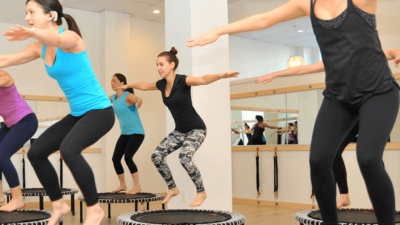
Activities as simple as a 30-minute walk can sharpen focus and enhance creativity. Group fitness classes and team sports foster social connection, combat loneliness, and build a sense of belonging—an antidote to the isolation many feel in the digital era.
Moreover, exercise can serve as a moving meditation. Whether flowing through sun salutations on a yoga mat or getting lost in the rhythmic repetition of a run, we reconnect with ourselves in a way that screens and notifications rarely allow.
Finding Your Fit: The Beauty of Variety One of the greatest misconceptions about exercise is that it must look a certain way to be valid or effective. In truth, the options are delightfully diverse, offering countless ways to match movement with personal preference and lifestyle.
Recreational sports: Tennis, basketball, hiking, martial arts
The key is to choose activities that feel enjoyable rather than obligatory. When movement brings pleasure, consistency follows naturally, transforming exercise from a dreaded task into a rewarding habit.
Making Exercise a Sustainable Habit For all its benefits, exercise remains one of the first things people abandon when life grows busy. Yet the secret to long-term success is not punishing discipline but gentle persistence and flexibility.
Consider these tips for making movement a lasting part of your routine:
Start small: Even ten minutes of daily activity can yield benefits and build momentum.
Schedule it in: Treat your workout like any other appointment—set a time and stick to it.
Mix it up: Rotate activities to keep things fresh and prevent boredom.
Enlist support: Find a workout buddy or join a class to boost accountability and enjoyment.
Celebrate progress: Focus on how you feel rather than the scale or stopwatch.
The Universal Gift of Movement What makes exercise truly remarkable is its accessibility. It asks little more than a willing body and a bit of space. A walk around the neighborhood requires no gym membership or fancy equipment. A yoga routine can be done on a simple mat in a quiet corner of the home. Even dancing freely to your favorite song in the kitchen counts as movement—joyful, spontaneous, and entirely yours.
Embracing Exercise as a Lifestyle, Not a Punishment Perhaps the most profound shift we can make is to see exercise not as punishment for indulgence but as an act of kindness to ourselves. It is not about erasing flaws but about honoring the body’s potential. Movement reminds us that we are alive, capable, and resilient.
When we let go of perfection and embrace consistency, the burden of obligation lifts. What remains is a sustainable practice—a daily ritual of connection to our bodies, to our breath, and to the present moment.
A Celebration of What We Can Do As we grow older, the value of exercise only deepens. Strong muscles support aging joints. Flexibility preserves independence. Cardiovascular fitness keeps the heart youthful. Yet beyond the physical, the true gift of regular movement is a sense of agency over our health and well-being—a quiet confidence that, with each step, stretch, and lift, we are investing in a life of greater ease, strength, and joy.
In a world that often asks us to sit still and scroll endlessly, the choice to move is a revolutionary act. It is a testament to our respect for the body we inhabit, and to the timeless truth that vitality is not found in quick fixes but nurtured, step by steady step, by the simple power of movement.

 By Grant Mya