 By Grant Mya
Gallstones are a common health concern, especially in regions like Thailand, where dietary habits may play a role in their development. These small, hardened deposits form in the gallbladder and can lead to discomfort, pain, and other complications if left untreated. Traditionally, gallstone removal required open surgery, but minimally invasive techniques have become the preferred option for many patients due to their reduced recovery time and lower risk of complications.
What Are Gallstones?
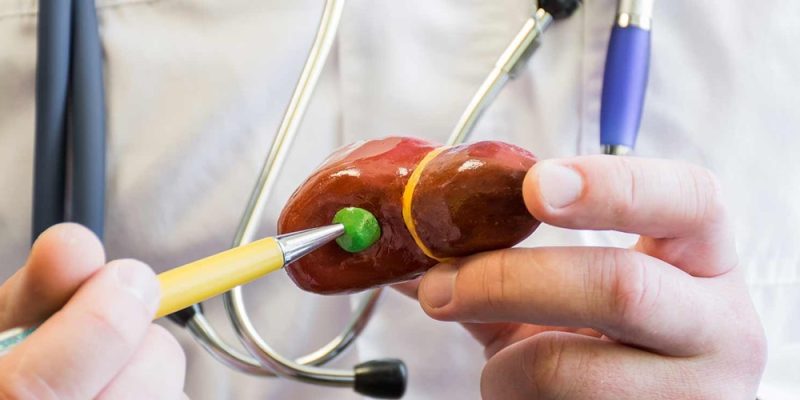
Gallstones are solid particles that develop in the gallbladder due to an imbalance in the substances that make up bile. Common causes include high cholesterol levels, obesity, and age. Symptoms may vary but often include intense pain in the upper abdomen, nausea, and digestive discomfort after eating. For patients in Thailand, where dishes can be heavy in oils and rich foods, gallstones can be a frequent issue prompting medical attention.
The Role of Minimally Invasive Techniques in Gallstone Removal
Minimally invasive approaches to gallstone treatment have gained popularity in Thailand and globally for their efficiency and reduced impact on patients. These methods involve advanced medical technologies and techniques that minimise surgical trauma and improve outcomes.
Laparoscopic Cholecystectomy
The most widely used procedure for gallstone removal is laparoscopic cholecystectomy (called ผ่าตัดนิ่วในถุงน้ำดีส่องกล้อง in Thai). This surgical method involves several small incisions through which a camera and specialised instruments are inserted. The gallbladder is carefully detached and removed, addressing the source of the problem without the need for large incisions.
Laparoscopic cholecystectomy has become increasingly accessible in Thailand, where modern healthcare facilities offer this option. It is particularly known for its advantages over traditional open surgery:
- Lower Risk of Complications: Smaller incisions reduce the risk of infection and blood loss.
- Faster Recovery Time: Patients often resume normal activities in just a few weeks.
- Minimal Scarring: The incisions are small, leading to less visible scarring.
Endoscopic Retrograde Cholangiopancreatography (ERCP)
While laparoscopic cholecystectomy focuses on gallbladder removal, ERCP is used to address gallstones that block bile ducts. This technique combines endoscopy and X-ray imaging, allowing doctors to locate and remove ductal stones without the need for open surgery.
ERCP is particularly useful for patients experiencing acute symptoms related to bile duct obstruction. It is a common complementary procedure to ensure the complete removal of gallstones and restore bile flow.
Why Choose Minimally Invasive Procedures?
Minimally invasive techniques for gallstone removal are reshaping healthcare experiences in Thailand. The ability to offer effective treatment with shorter hospital stays, less pain, and quicker recovery aligns with the needs of modern patients. With advancements in medical training and availability, it is reassuring for individuals in Thailand to have access to such treatments across various healthcare facilities.
Recovering After Minimally Invasive Gallstone Removal
For patients undergoing procedures like laparoscopic cholecystectomy, recovery is typically straightforward. Most can return home within 24 hours of the procedure. Affordable follow-up care like dietary advice and routine check-ups is often available in Thailand to help patients adapt to life without a gallbladder.
Common recovery recommendations include:
- Eating small, low-fat meals to aid digestion
- Avoiding strenuous activities for a few weeks
- Staying hydrated and following all aftercare instructions provided by medical professionals
The Future of Gallstone Treatment in Thailand
Minimally invasive surgical techniques are revolutionising healthcare worldwide and are equally impactful in Thailand. By prioritising technology and patient-oriented care, these procedures offer individuals a safer and more comfortable way to address gallstone issues. For those dealing with gallstones, consulting with a qualified medical professional in Thailand is essential to determine the most suitable treatment option. Access to such advanced procedures locally ensures that patients receive world-class care in a culturally familiar environment.